Jump to:
TLDR - Quick Guide
- Contact kits wear out over time due to electrical arcing, heat, and friction.
- Look for visible pitting, carbon buildup, or overheating signs.
- Poor motor performance and random system trips are clear indicators.
- Routine inspections can catch early wear and prevent bigger failures.
- Replacing contact kits is cost-effective and prevents more serious equipment damage.
Detailed Breakdown
What Are Contact Kits for Motor Control?
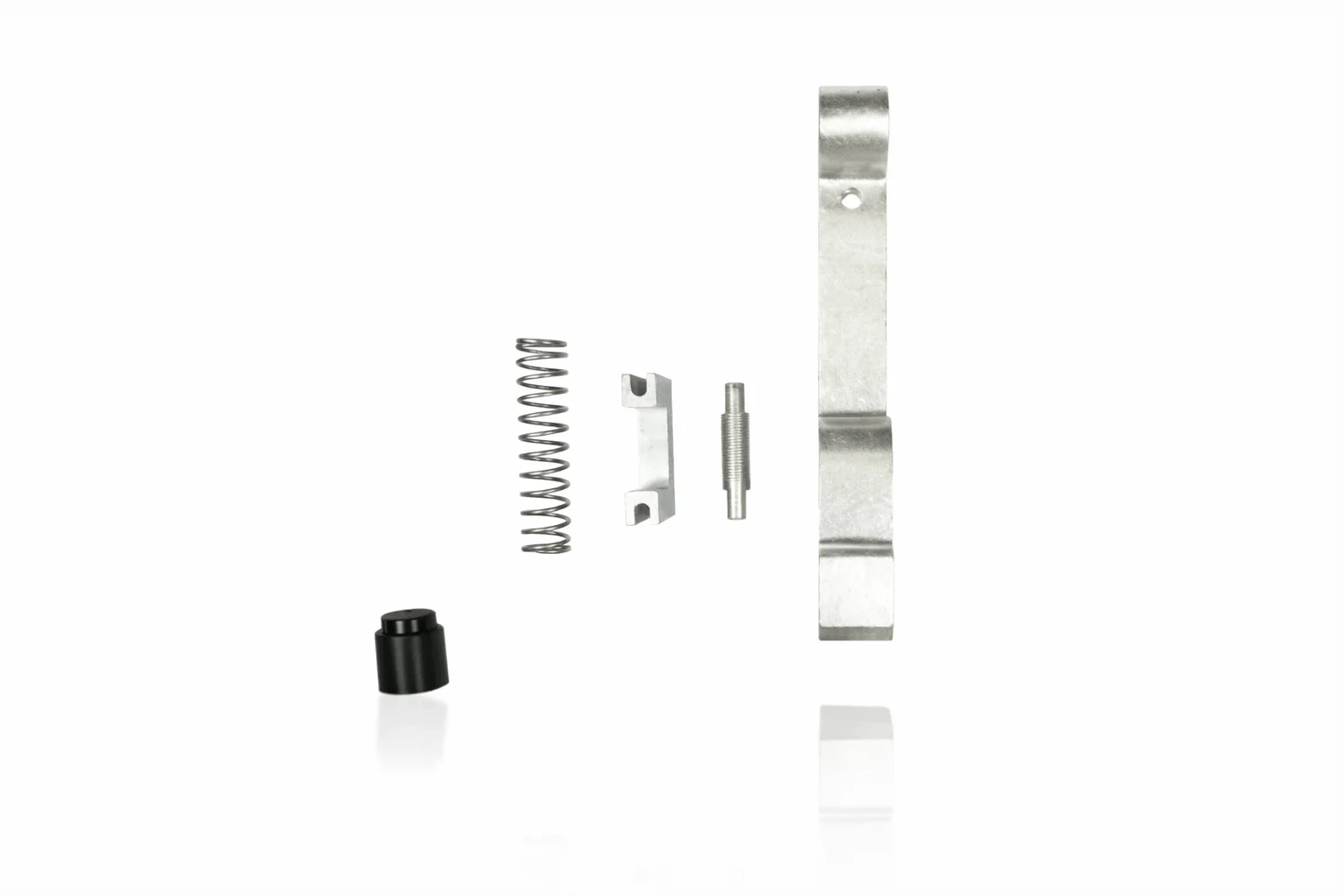
Contact kits are sets of components inside motor starters and contactors that handle high electrical loads. They carry the current and are responsible for opening and closing circuits safely. Over time, the contacts degrade due to electrical wear and mechanical stress.
At BRAH Electric, we manufacture replacement contact kits that match original OEM specs-making maintenance and replacements faster, safer, and more reliable.
Why Contact Kits Wear Out (And Why It Matters)
Each time a contactor opens or closes, a small arc of electricity forms. This arc slowly damages the surface of the contacts, causing:
- Pitting: Tiny craters in the metal from arcing
- Heat Buildup: Resistance increases, causing thermal stress
- Oxidation & Carbon Deposits: Affect conductivity and can cause system faults
This wear isn’t just cosmetic-it can lead to inconsistent motor startup, overloads, or complete failure. That’s why regular inspection and timely replacement are critical.
Warning Signs That Your Contact Kit Needs Replacing
Understanding the signs of contact kit failure can save you time and money. Watch out for:
1. Visible Contact Wear
Open the motor control panel (with proper safety protocols) and inspect the contacts. If you see:
- Pitting or dark spots
- Excessive burning or erosion
- Contact surfaces that no longer align properly
…it’s time for a replacement.
2. System Trips or Shutdowns
Random tripping of circuit breakers or starter faults can often be traced back to worn contacts. They create resistance that the system interprets as overload.
3. Motor Performance Drops
If motors struggle to start, fail to reach full speed, or run inconsistently, it could be due to contact issues affecting current flow.
4. Unusual Noises or Odors
A humming sound, crackling noise, or burnt smell near the control panel may indicate arcing or overheating inside the contactor.
5. Increased Operating Temperatures
Worn contacts generate more heat. If you notice hot spots on the panel or rising ambient temperature, inspect the contacts immediately.
Maintenance Best Practices
Proactive maintenance keeps systems running and reduces emergency downtime. Here’s how we recommend managing contact kits:
- Routine Inspections: Every 3-6 months, visually inspect contacts during regular system maintenance.
- Replace in Sets: Always replace the full contact kit, not just individual pieces, to ensure uniform performance.
- Use High-Quality Replacements: Stick with trusted sources like BRAH Electric to ensure OEM-level reliability.
Why Choose BRAH Electric Contact Kits?
We manufacture aftermarket contact kits for a wide range of motor control systems. Our products are:
- Engineered for direct OEM replacement
- Backed by a 2-year warranty and our fit guarantee
- Ready for fast shipping from our California-based facility
Plus, our online catalog makes finding the right motor control parts easier than ever.
Key Takeaways
- Contact kits for motor control systems degrade due to arcing, heat, and wear.
- Signs of failure include pitting, inconsistent motor behavior, and overheating.
- Scheduled inspections and timely replacements reduce downtime risks.
- Always choose full kit replacements to ensure performance consistency.
- BRAH Electric offers reliable, warranty-backed contact kits that match OEM standards.
FAQs
1. How often should I replace contact kits in motor control systems?
Contact kits should be inspected every 3-6 months and typically replaced annually or sooner if signs of wear appear. High-use environments may require more frequent replacements. Regular maintenance helps avoid sudden failures.
2. What happens if I don’t replace a worn contact kit?
Delaying replacement increases the risk of arcing, overheating, and eventual system failure. This can damage other motor components and lead to extended downtime. It’s more cost-effective to replace a worn kit early.
3. Can I replace individual contacts instead of the full kit?
We strongly recommend replacing the entire contact kit rather than individual contacts. This ensures consistent material wear, alignment, and performance. Mixing old and new contacts can cause uneven current flow.
4. Are BRAH Electric’s contact kits compatible with all OEM brands?
Our contact kits are designed as direct replacements for major OEM motor control systems. Each kit is tested for fit and performance. Check our catalog or contact us directly to confirm compatibility.
5. Where can I buy BRAH Electric contact kits?
You can purchase our full range of contact kits for motor control directly from our website. We offer fast order processing and support. You can also download our product catalog for more information.


