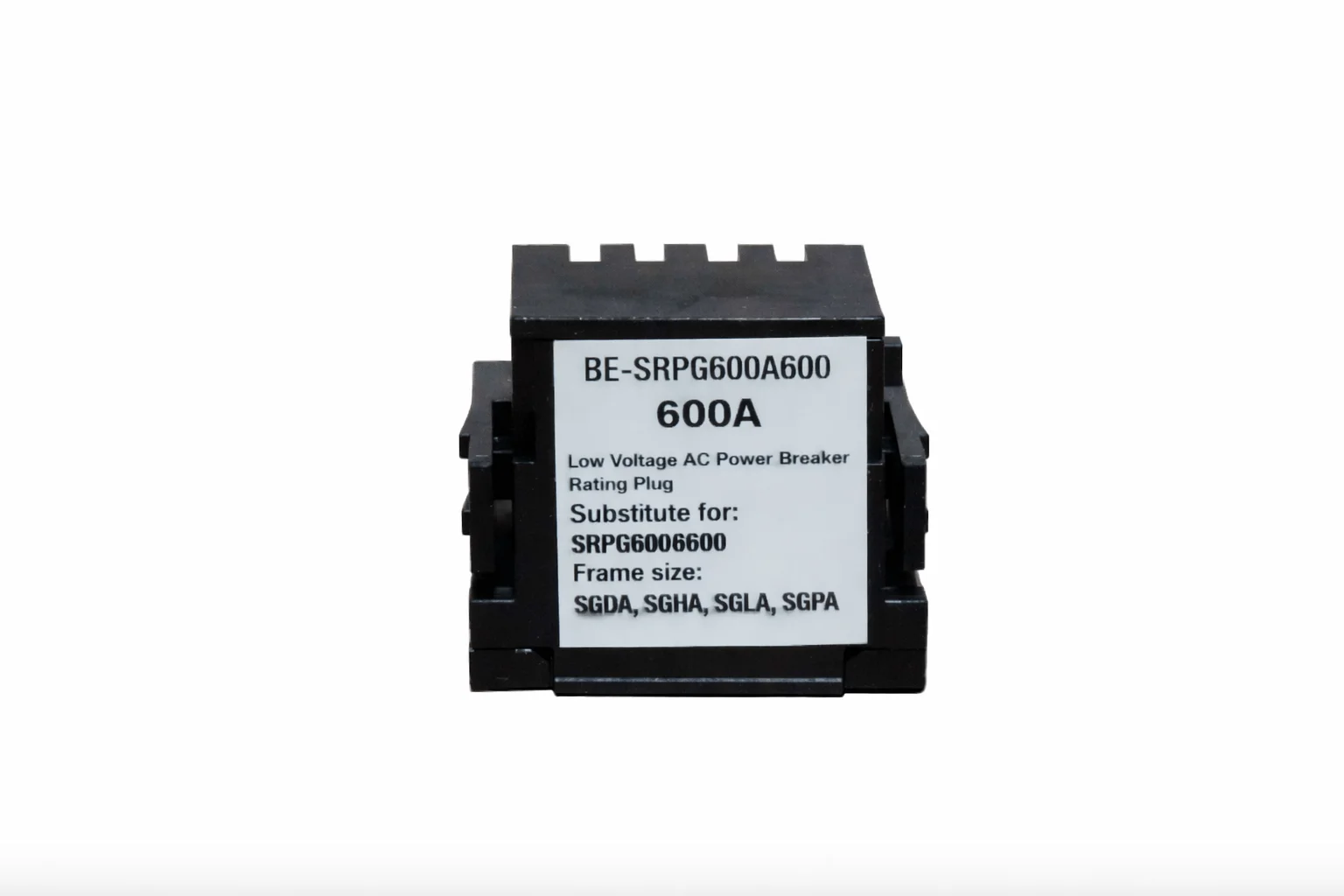
TLDR - Quick Guide
- Verify exact model and electrical rating before installation
- Confirm voltage, amperage, and interrupting capacity match system requirements
- Inspect mechanical fit and bus or terminal alignment
- Review associated protection devices and coordination
- Perform post-installation load testing
- Monitor for heat buildup or abnormal trip behavior
Detailed Breakdown: Replacement for General Electric SRPG600A600 Troubleshooting
Step 1 - Confirm Electrical Rating Alignment
The most common replacement for General Electric SRPG600A600 troubleshooting issue stems from incorrect electrical specifications.
Verify the following:
- Rated amperage
- System voltage
- Phase configuration
- Short-circuit interrupting rating
- Frequency compatibility
If the replacement unit’s interrupting capacity is lower than the available fault current, protective performance may be compromised. Likewise, mismatched amperage ratings can cause premature tripping or insufficient protection.
Always compare the system’s actual operating conditions with the replacement component’s nameplate ratings.
Step 2 - Inspect Mechanical Compatibility
Even when electrical specifications match, mechanical alignment problems can create operational instability.
Check:
- Mounting hole spacing
- Terminal alignment
- Contact stab geometry (if applicable)
- Insulation clearance
- Enclosure fit
Improper seating or loose connections may result in overheating, arcing, or inconsistent current transfer. Mechanical mismatch is often overlooked during replacement for General Electric SRPG600A600 troubleshooting.
Step 3 - Investigate Nuisance Tripping
If the replacement unit trips frequently under normal load, the issue may involve:
- Incorrect calibration
- Improper coordination with upstream protection
- Thermal overload misconfiguration
- Loose power connections
Start by verifying load measurements using calibrated testing equipment. Compare actual load current to the device’s trip setting.
If trip settings are adjustable, confirm they are set according to system requirements and motor or feeder demand.
Step 4 - Check Coordination with Upstream and Downstream Devices
Selective coordination is critical in power distribution systems. A common replacement for General Electric SRPG600A600 troubleshooting mistake is ignoring protection curve alignment.
Review:
- Upstream breaker time-current curves
- Downstream protective devices
- Fault current calculations
- Short-time delay settings
Improper coordination may cause upstream breakers to trip before the replaced device reacts. This results in unnecessary system-wide outages.
Step 5 - Evaluate Heat and Thermal Performance
Excessive heat after installation is a warning sign.
Inspect for:
- Loose terminal connections
- Undersized conductors
- Improper torque on lugs
- Contact resistance buildup
- Ventilation restrictions
Thermal imaging during operation can help identify hotspots. Overheating may indicate poor mechanical connection or incorrect load rating.
Addressing heat-related issues quickly prevents insulation damage and premature failure.
Step 6 - Confirm Bus or Terminal Engagement Integrity
If the SRPG600A600 replacement interfaces with bus systems or large feeder conductors, engagement integrity is essential.
Verify:
- Full contact insertion
- Even pressure across contact surfaces
- No bent or misaligned connectors
- Clean contact surfaces free of corrosion
Poor engagement can lead to voltage drop, vibration-related wear, and long-term system degradation.
Step 7 - Perform Controlled Load Testing
After resolving identified issues, conduct structured operational testing.
Testing should include:
- Gradual load increase
- Monitoring voltage stability
- Measuring current balance across phases
- Observing trip behavior
- Thermal monitoring under sustained load
A controlled testing process confirms that replacement for General Electric SRPG600A600 troubleshooting steps were effective and that the system is safe for full operation.
Common Replacement Mistakes to Avoid
Avoid these common errors during installation and troubleshooting:
- Installing a unit with lower interrupting rating
- Ignoring torque specifications on power terminals
- Failing to review coordination studies
- Overlooking enclosure clearance requirements
- Skipping post-installation load testing
Each of these mistakes can cause recurring faults and compromise equipment safety.
Key Takeaways
- Replacement for General Electric SRPG600A600 troubleshooting begins with electrical rating verification
- Mechanical alignment issues often cause overheating and instability
- Nuisance tripping usually relates to miscalibration or coordination errors
- Thermal monitoring helps detect hidden connection problems
- Structured load testing confirms safe and reliable system operation
FAQs
1. Why is my replacement unit tripping even though the load seems normal?
The trip setting may not match actual system load conditions. Calibration differences between the original and replacement unit can affect performance. Verify current measurements and confirm settings align with system requirements.
2. How do I know if interrupting rating is sufficient?
Compare the replacement unit’s interrupting capacity with the facility’s available fault current calculation. The device must meet or exceed the calculated value. Installing a lower-rated unit increases safety risk.
3. What causes overheating after replacement?
Loose connections, incorrect torque, or improper conductor sizing are common causes. Mechanical misalignment can also increase resistance. Thermal inspection helps pinpoint the issue quickly.
4. Can coordination issues cause system-wide outages?
Yes. If protection curves are not aligned properly, upstream breakers may trip before the replaced unit responds. Reviewing coordination studies prevents unnecessary shutdowns.
5. When should I consider replacing more than just the SRPG600A600 unit?
If repeated failures occur or surrounding components show wear, a broader system evaluation may be necessary. Aging conductors, damaged bus connections, or outdated protection schemes can contribute to ongoing issues. A comprehensive inspection ensures long-term reliability.


