Jump to:
TLDR - Quick Guide
Circuit breaker replacement parts are a cost-effective alternative to full panel replacements.
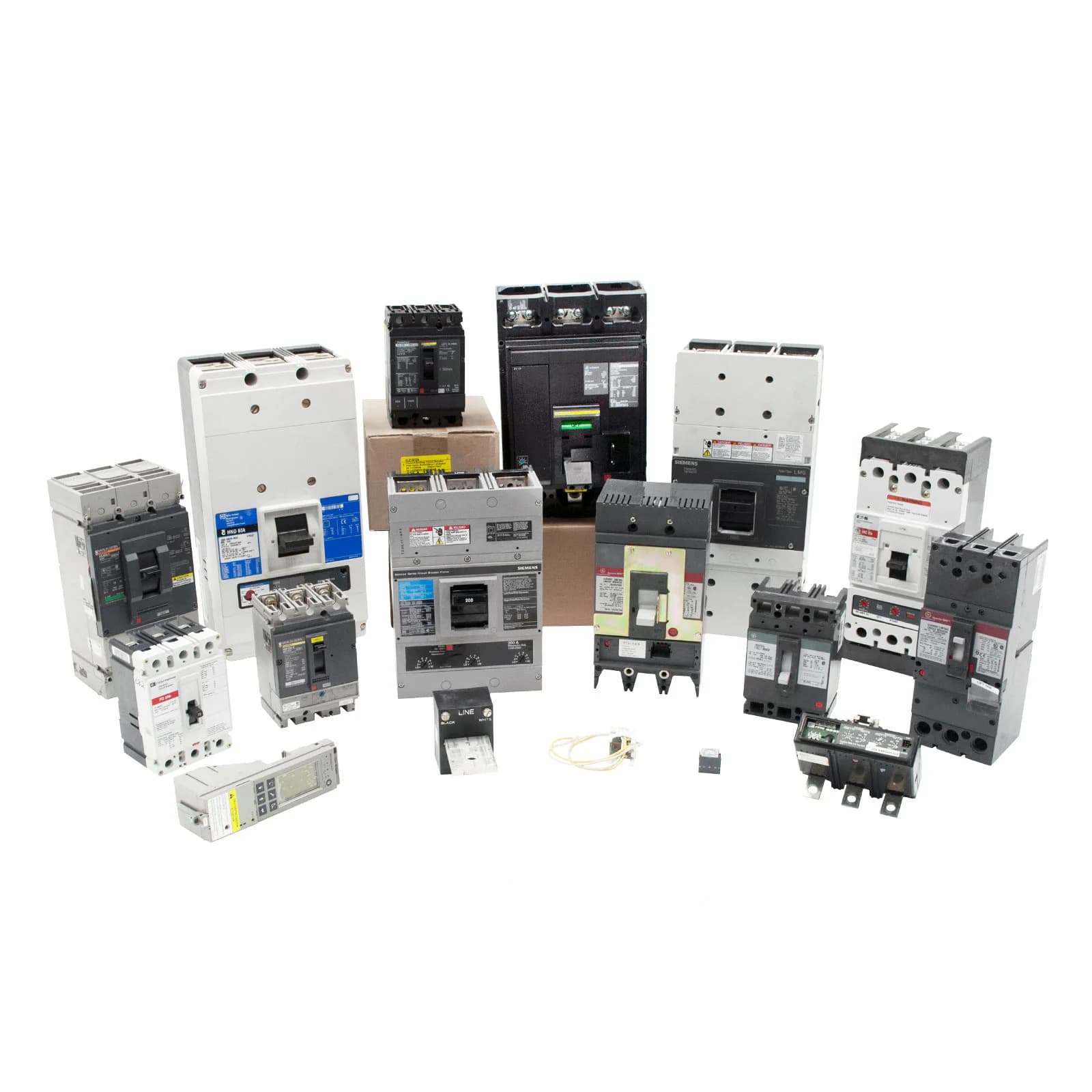
Key components include rating plugs, mechanisms, lugs, and trip units.
Replacing worn parts extends breaker life and improves performance.
Using aftermarket direct-fit parts saves time and maintains system compatibility.
BRAH Electric provides trusted replacement solutions for obsolete and current models.
Detailed Breakdown
Why Circuit Breaker Parts Fail-and Why Full Upgrades Aren’t Always Needed
are built to last, but like all mechanical and electrical components, they wear over time. Common causes of failure include arcing, excessive heat, corrosion, and mechanical fatigue. When these problems affect performance, many assume the entire panel needs replacing-but that’s rarely true.
Instead, targeted part replacements can restore like-new performance, improve reliability, and meet safety standards. As long as the panel housing is intact and the core system is still serviceable, replacement parts are a smart way to extend the life of your electrical infrastructure without the major cost.
Key Circuit Breaker Replacement Parts That Make the Difference
1. Rating Plugs
Rating plugs determine the current rating of the trip unit inside certain circuit breakers. They control the maximum current level the breaker can handle before initiating a trip. If a rating plug becomes damaged, worn, or incorrectly rated for the application, it can cause improper protection or nuisance tripping.
Replacing rating plugs allows technicians to restore proper protection settings or adjust breaker capacity without replacing the entire breaker. This makes them one of the most practical replacement components for maintaining system reliability and ensuring the breaker matches the electrical load requirements.
2. Operating Mechanisms
These include the springs, levers, and toggles that control how the breaker opens and closes. Worn mechanisms can cause tripping failures or mechanical lockups. Replacing them ensures smooth operation and restores the breaker’s original performance.
3. Trip Units
Trip units are the brains of the breaker-monitoring current and triggering trips when limits are exceeded. Electronic trip units can degrade, and thermal-magnetic ones can drift out of tolerance. Swapping in calibrated, compatible trip units helps ensure accurate protection.
4. Line and Load Lugs
Lugs connect the breaker to incoming and outgoing wires. They can loosen, corrode, or crack over time. Replacing damaged lugs maintains secure, low-resistance connections and prevents overheating or arc faults.
5. Arc Chutes
Arc chutes guide and cool the electrical arc that forms when a breaker interrupts current. If these components are damaged, the arc may not extinguish properly, posing safety risks. Replacing arc chutes is essential in high-voltage or high-load applications.
All of these parts are available as direct-fit replacements from , designed to meet OEM specs and streamline field installation.
Benefits of Using Direct Replacement Parts
Investing in the right replacement parts pays off in more ways than one. Here’s what you gain:
Cost Savings: Parts cost a fraction of a full panel replacement.
Reduced Downtime: No need for complete disconnection or rewiring.
Code Compliance: Maintains system certifications when using OEM-compatible parts.
Scalability: Replace only what’s needed, when it’s needed.
Sustainability: Avoids scrapping entire panels unnecessarily.
Our circuit breaker catalog includes support for a wide range of legacy models-so you can maintain your systems instead of replacing them.
When to Consider Replacement Instead of Upgrade
Knowing when a breaker or component needs replacement is just as important as having the parts on hand. Here are common scenarios that call for part replacement:
Breaker trips under normal loads or fails to trip under fault conditions
Heat damage near connections or lugs
Difficulty resetting or operating the breaker
Age-related wear but no catastrophic failure
Inspection reveals pitted or carbonized contacts
If these issues arise, replacement parts can often solve the problem quickly and affordably. A full upgrade should be the last resort, not the first option.
Key Takeaways
- Many aging circuit breakers can be restored with specific replacement parts.
- Rating plugs, trip units, mechanisms, lugs, and arc chutes are among the most commonly replaced circuit breaker components.
- Using OEM-matched replacement parts is faster and cheaper than full panel upgrades.
- BRAH Electric offers reliable, direct-fit parts that extend the life of your breaker system.
- Choose parts that maintain safety, compatibility, and compliance-without unnecessary overhauls.
FAQs
1. Can I replace just the contacts in my circuit breaker instead of the whole unit?
Yes, if the housing and other components are intact, replacing contacts can restore safe performance. Contact wear is common due to arcing and heat. Direct replacement kits from BRAH Electric are available to match original specifications.
2. How do I know which circuit breaker parts are compatible with my system?
Check the model number and specs on your existing breaker. Then, match them to OEM-compatible parts in our circuit breaker parts catalog. If in doubt, contact our support team for guidance.
3. Are replacement parts as reliable as new breakers?
Yes, when sourced from trusted manufacturers and installed correctly. Our parts meet strict performance standards to ensure safe, consistent operation. Replacing worn parts often results in the same reliability as a new breaker.
4. What causes circuit breakers to fail over time?
Most failures result from wear on moving parts, arcing during operation, corrosion, or thermal stress. These factors degrade internal components like contacts, trip units, and springs. Replacing those specific parts addresses the root cause without full replacement.
5. Where can I buy circuit breaker replacement parts for older systems?
BRAH Electric stocks a wide inventory of legacy and current replacement parts. Our catalog includes hard-to-find and discontinued models. Each product is engineered for performance and compatibility.


