Jump to:
TLDR - Quick Guide
- Overload relays protect motors by shutting them down during unsafe current or temperature conditions.
- Frequent trips, nuisance shutdowns, and failure to reset are common warning signs.
- Many issues stem from incorrect settings, aging components, or environmental conditions.
- Timely replacement of overload relay motor control parts prevents larger motor failures.
- Using direct-fit replacement parts simplifies maintenance and restores reliability.
Detailed Breakdown
What Are Overload Relay Motor Control Parts?
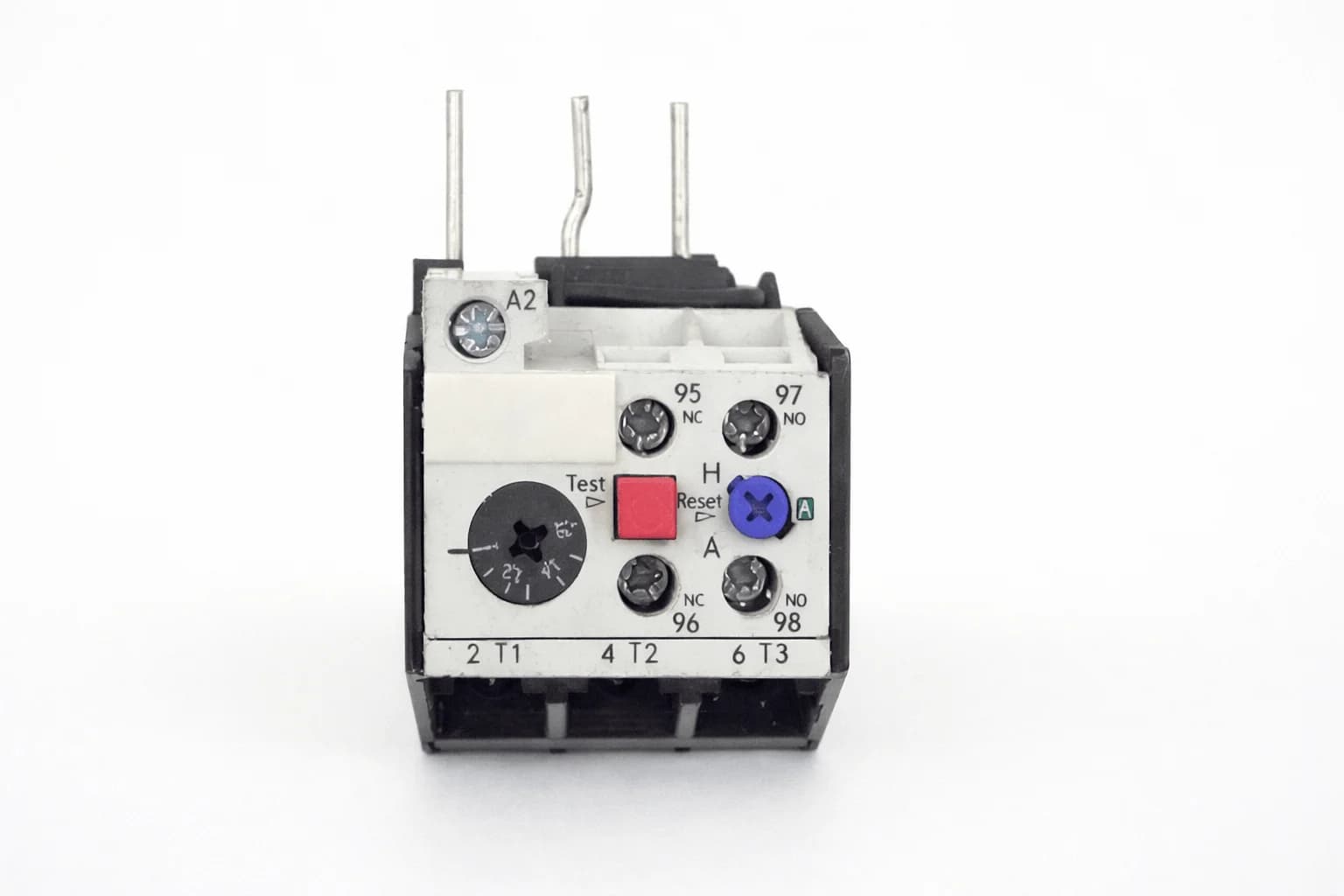
Overload relays are protective devices used in motor control systems to monitor current and, in many designs, temperature. When a motor draws too much current for too long, the overload relay trips and interrupts the circuit. This prevents insulation breakdown, bearing damage, and premature motor failure.
In most motor control assemblies, overload relays are paired with contactors and starters. At BRAH Electric, we support these systems with motor control parts designed as direct replacements for commonly used OEM components. This ensures compatibility without requiring system redesigns.
Common Problems With Overload Relays
Overload relay issues often develop gradually, which is why they are frequently overlooked. Understanding the most common problems helps narrow down troubleshooting quickly.
Typical issues include:
- Frequent tripping: The relay trips even when the motor load appears normal.
- Failure to trip: The motor overheats, but the relay does not shut the system down.
- Inconsistent reset behavior: The relay will not reset or reset unpredictably.
- Physical wear: Aging bimetal strips, electronic sensors, or terminals degrade over time.
Each of these symptoms points to either calibration issues, environmental stress, or component wear that requires attention.
Step-by-Step Troubleshooting Approach
A structured troubleshooting process reduces guesswork and avoids unnecessary part swaps. Start with the basics and work toward more detailed checks.
First, verify the motor’s full-load current and compare it to the overload relay setting. Incorrect settings are one of the most common causes of nuisance tripping. Next, inspect wiring connections for looseness, corrosion, or discoloration caused by heat buildup.
Then, evaluate operating conditions. High ambient temperatures, poor ventilation, or frequent starts can push overload relays beyond their intended duty cycle. Finally, inspect the relay itself for visible wear, mechanical binding, or electronic faults that indicate the part has reached the end of its service life.
When Replacement Is the Better Option
Not every overload relay problem can or should be repaired. In many cases, replacement is the safest and most cost-effective solution.
Replacement is recommended when:
- The relay trips at correct settings with no external cause
- Reset mechanisms fail or become unreliable
- Internal components show signs of heat damage or fatigue
- Downtime costs outweigh the cost of a new part
At this point, sourcing reliable overload relay motor control parts becomes critical. Our replacement components at BRAH Electric are engineered to meet original performance standards while supporting fast turnaround for maintenance teams.
Choosing the Right Replacement Parts
Selecting the correct replacement overload relay is about more than matching amperage ratings. Compatibility with the existing motor control system, mounting configuration, and operating environment all matter.
We recommend focusing on:
- Exact electrical ratings and trip classes
- Mechanical fit with existing starters or contactors
- Proven durability in industrial environments
Our catalog of overload relay motor control parts is designed to simplify this process. By offering direct-fit replacements, we help reduce installation time and eliminate compatibility concerns.
Key Takeaways
- Overload relays are essential for protecting motors from long-term damage.
- Frequent tripping, failure to trip, and reset issues are common warning signs.
- Proper troubleshooting starts with settings, wiring, and operating conditions.
- Replacement is often the best option for aging or unreliable overload relays.
- BRAH Electric provides dependable replacement motor control parts that support efficient maintenance and system reliability.
FAQs
1. Why does my overload relay keep tripping even when the motor load is normal?
This often happens when the relay is set incorrectly or has aged beyond its calibrated range. Environmental heat and frequent starts can also cause nuisance trips. If adjustments do not solve the issue, replacement is usually the best solution.
2. Can an overload relay fail without obvious symptoms?
Yes, overload relays can degrade internally without visible damage. Over time, this can reduce accuracy and protection reliability. Regular inspections help catch these issues before failure occurs.
3. How do I know if my overload relay needs replacement instead of adjustment?
If correct settings and wiring checks do not resolve the problem, the relay may be worn out. Inconsistent tripping or reset behavior is a strong indicator. Replacement restores predictable motor protection.
4. Are replacement overload relays difficult to install?
Most direct replacement overload relay motor control parts are designed for straightforward installation. Matching electrical and mechanical specifications minimizes downtime. Always follow proper safety and lockout procedures during replacement.
5. Where can I source reliable overload relay motor control parts?
You can source direct replacement overload relays from BRAH Electric. Our motor control parts are built to meet OEM standards and support long-term system reliability. This helps maintenance teams keep operations running smoothly.


