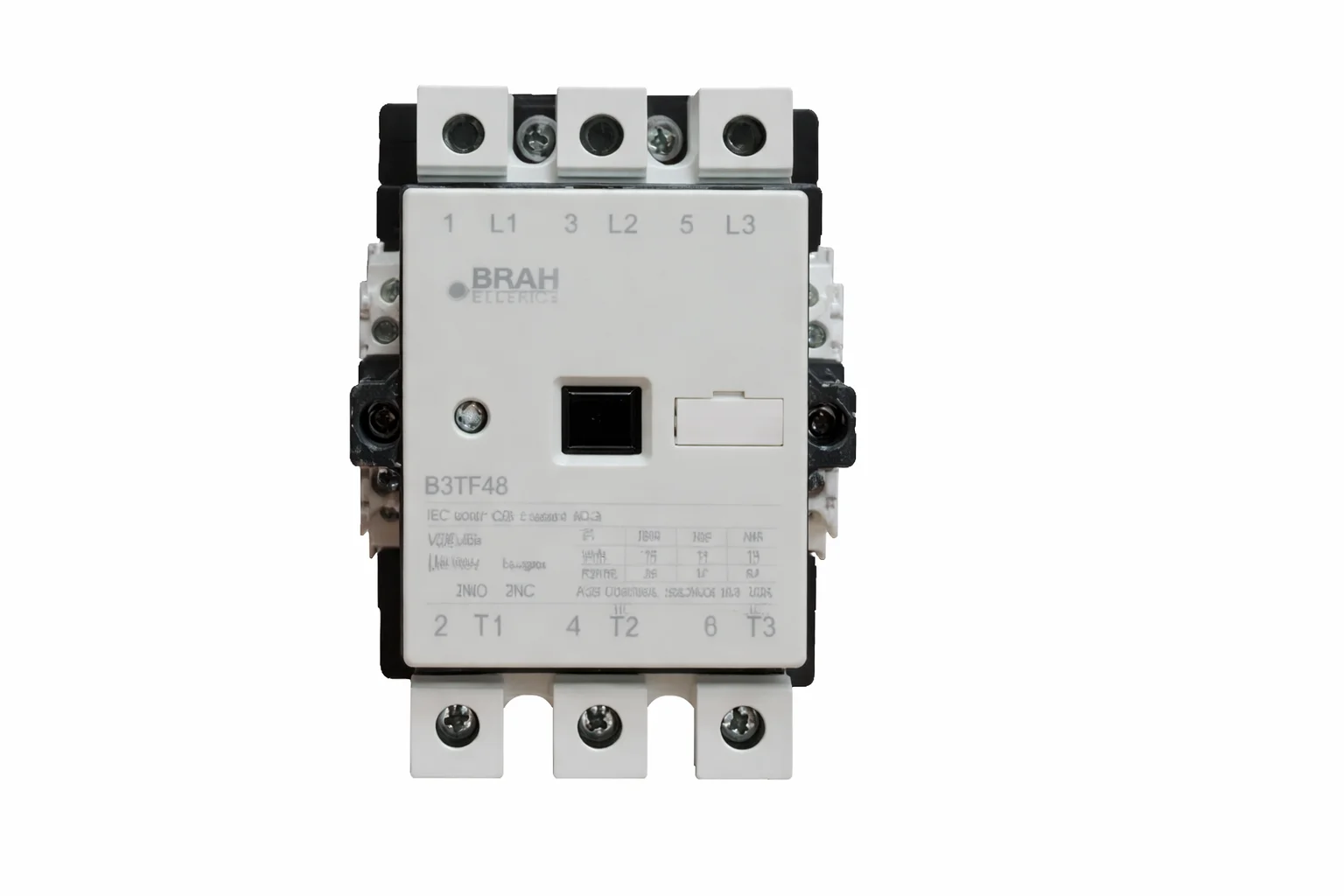
TLDR - Quick Guide
- Confirm the exact 3TF48 model number and coil voltage
- Diagnose which specific component has failed
- Cross-reference electrical and mechanical specifications carefully
- Consider direct replacement contactors before full retrofits
- Inspect surrounding motor control components for wear
- Perform complete testing before returning equipment to service
Detailed Breakdown: Managing Siemens 3TF48 Replacement Parts Availability
Step 1 - Identify the Exact Failed Component
The first step in solving siemens 3tf48 replacement parts availability issues is precise diagnosis. The 3TF48 assembly includes multiple components, and not all failures require full unit replacement.
Common failure points include:
- Magnetic coils
- Main contact kits
- Auxiliary contact blocks
- Overload relay modules
- Mechanical interlocks
Many facilities mistakenly replace the entire contactor when only the coil or contact kit has failed. A focused assessment saves time and reduces unnecessary costs.
Carefully inspect for signs such as coil discoloration, welded contacts, or mechanical binding before determining the correct replacement path.
Step 2 - Confirm Electrical Specifications
When siemens 3tf48 replacement parts availability is limited, substitutes must match electrical requirements exactly.
Verify the following:
- Coil control voltage
- Full load amperage rating
- Horsepower capacity
- Duty cycle requirements
- Short-circuit withstand rating
Installing a component with incorrect coil voltage or amp rating can cause overheating, premature failure, or inconsistent motor engagement. Electrical compatibility is non-negotiable in motor control systems.
Step 3 - Confirm Mechanical Fit
Even if electrical ratings align, physical compatibility must be validated. The replacement must integrate into the existing control panel without requiring significant modification.
Check:
- Mounting hole alignment
- Terminal positioning
- Enclosure clearance
- Connection spacing
- Auxiliary attachment compatibility
Mechanical mismatches can lead to costly rewiring, extended downtime, and increased labor. Proper fit reduces installation time and ensures system stability.
Step 4 - Evaluate Direct Replacement Options
A decline in siemens 3tf48 replacement parts availability does not automatically require a full modernization project. In many cases, a direct replacement contactor with equivalent specifications can be installed in the same footprint.
When evaluating substitutes, ensure they provide:
- Matching amp rating
- Equivalent auxiliary contact configuration
- Comparable coil response time
- Compatible overload relay interface
High-quality direct replacement components maintain system reliability without redesigning the control architecture.
Step 5 - Avoid Rushed Full Retrofits
One of the most expensive mistakes facilities make during siemens 3tf48 replacement parts availability shortages is initiating unnecessary panel retrofits.
Full upgrades may involve:
- New wiring layouts
- Updated overload protection
- Revised control schematics
- Enclosure modifications
- Extended commissioning periods
Unless multiple components are obsolete or unsafe, targeted replacement is usually more efficient than complete system redesign.
Step 6 - Inspect Surrounding Motor Control Components
Failures rarely happen in isolation. When replacing a 3TF48 component, inspect surrounding equipment to prevent repeat issues.
Evaluate:
- Overload relay condition
- Terminal tightness
- Control wiring insulation
- Auxiliary contact wear
- Mechanical linkage integrity
Addressing related wear during replacement minimizes future downtime and strengthens system longevity.
Step 7 - Perform Post-Installation Testing
Before returning equipment to service, conduct comprehensive testing.
Testing should include:
- Manual actuation checks
- Coil energization verification
- Load testing under operational conditions
- Temperature monitoring during startup cycles
- Repeated motor start-stop cycles
Testing ensures that the new component integrates properly and confirms that siemens 3tf48 replacement parts availability issues have been resolved without introducing additional risk.
Long-Term Strategy for Siemens 3TF48 Replacement Parts Availability
To reduce emergency sourcing pressure, facilities should implement a proactive approach:
- Maintain a documented parts inventory list
- Store critical spare components
- Pre-approve compatible substitute parts
- Schedule routine inspection of high-cycle contactors
- Monitor lifecycle status of legacy equipment
Planning ahead eliminates reactive decision-making and protects production continuity.
Key Takeaways
- Siemens 3tf48 replacement parts availability is declining due to legacy product phase-out
- Most failures involve specific components, not entire assemblies
- Electrical and mechanical compatibility must both be verified
- Direct replacements often prevent expensive retrofits
- Proactive inventory planning reduces operational downtime
FAQs
1. Why is siemens 3tf48 replacement parts availability becoming limited?
The 3TF series is an older product line that has been gradually phased out. As manufacturers shift production to newer models, stock levels for legacy components decline. This results in longer lead times and fewer available suppliers.
2. Do I need to replace the entire contactor if one part fails?
Not necessarily. Many failures involve coils or contact kits that can be replaced individually. Diagnosing the exact issue first prevents unnecessary full-unit replacement.
3. Can I use a different manufacturer as a replacement?
Yes, but only if electrical ratings and mechanical dimensions match precisely. Improper substitutes can cause overheating or performance instability. Careful cross-referencing is essential before installation.
4. What risks come from using mismatched substitute parts?
Not necessarily. Many failures involve coils or contact kits that can be replaced individually. Diagnosing the exact issue first prevents unnecessary full-unit replacement.
5. How can I prepare for future siemens 3tf48 replacement parts availability problems?
Maintain spare critical components and document all model numbers. Identify approved substitutes in advance to avoid emergency sourcing. A proactive maintenance strategy significantly reduces downtime and operational disruption.


