Jump to:
TLDR - Quick Guide
- Disconnect and verify zero voltage before beginning
- Confirm coil voltage and power ratings match system requirements
- Identify line, load, and auxiliary terminals correctly
- Follow manufacturer wiring diagrams precisely
- Torque terminals to specification
- Perform functional and load testing before full operation
Detailed Breakdown: A30-30-10 Motor Control Contactors Wiring Guide
Step 1 - Lockout/Tagout and Verify Zero Energy
Before touching any wiring, apply lockout/tagout procedures according to facility safety protocols. Confirm the system is fully de-energized using a properly rated voltage tester.
Never rely solely on the breaker position. Always test:
- Line-side terminals
- Load-side terminals
- Control circuit terminals
Verifying zero energy prevents accidental shock, arc flash incidents, and equipment damage during installation.
Step 2 - Confirm Electrical Ratings
The next step in this a30-30-10 motor control contactors wiring guide is verifying compatibility.
Check:
- Coil control voltage (commonly 24V, 120V, 240V, or 480V)
- Rated operational current
- Horsepower capacity
- Frequency rating
Installing a contactor with incorrect coil voltage can result in immediate failure or overheating. Matching electrical ratings ensures reliable motor engagement and long-term durability.
Step 3 - Identify Line and Load Terminals
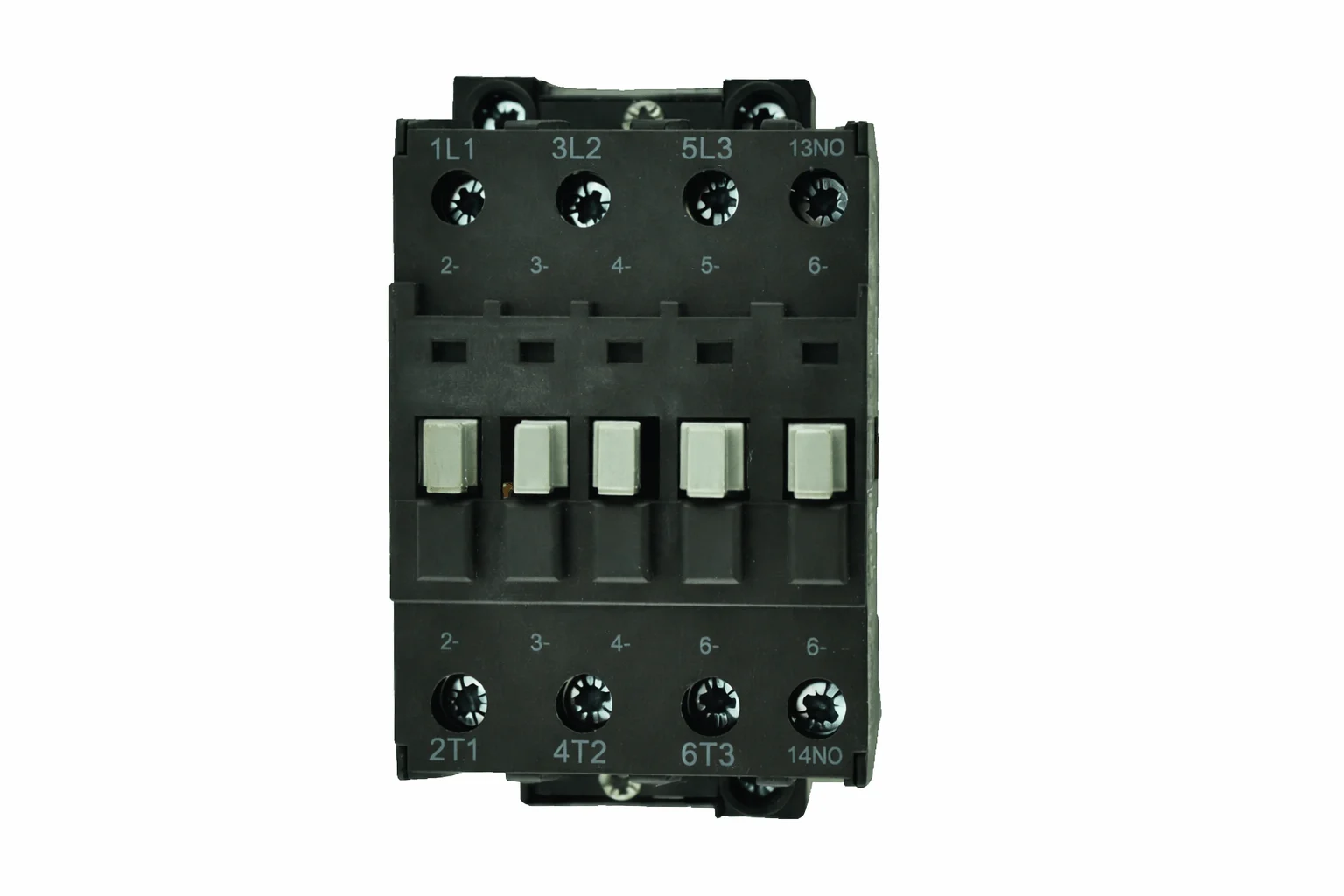
A30-30-10 contactors typically feature clearly labeled terminals:
- L1, L2, L3 (line side)
- T1, T2, T3 (load side)
- A1 and A2 (coil terminals)
Line terminals connect to the incoming power supply. Load terminals connect to the motor. Reversing these connections can cause improper operation and complicate troubleshooting later.
Proper terminal identification is essential for safe current flow and predictable motor startup.
Step 4 - Wire the Control Circuit
Control wiring energizes the coil and actuates the contactor.
Key points to follow in this a30-30-10 motor control contactors wiring guide:
- Connect the control voltage to A1 and A2 terminals
- Integrate stop and start pushbuttons properly
- Ensure overload relay contacts are wired in series with the control circuit
- Confirm auxiliary contacts are used correctly for interlocking
Incorrect control wiring can prevent the contactor from pulling in or cause it to remain energized unintentionally. Double-check all control connections before energizing.
Step 5 - Install Overload Protection
Motor control contactors must work in coordination with overload relays.
Ensure:
- Overload relay rating matches motor full-load amperage
- Thermal settings are adjusted according to motor nameplate
- Overload auxiliary contacts are properly wired into the control circuit
Overload protection prevents motor overheating and extends system lifespan. A correctly wired overload relay is just as important as the contactor itself.
Step 6 - Torque All Terminals Properly
Loose connections are a leading cause of electrical failures.
Follow torque specifications for:
- Power terminals
- Control wiring terminals
- Auxiliary contact connections
Under-torqued terminals may cause arcing and overheating. Over-torquing can damage threads or crack terminal housings. Always use a calibrated torque wrench where possible.
Step 7 - Inspect Mechanical Alignment
Before re-energizing the system, inspect the installation physically.
Verify:
- Contactor is securely mounted
- No pinched or exposed wiring
- Proper clearance inside enclosure
- Auxiliary components are firmly attached
Mechanical integrity supports long-term electrical stability.
Step 8 - Perform Functional Testing
Once wiring is complete, restore power and conduct controlled testing.
Testing should include:
- Manual activation of the start button
- Confirmation of smooth contact pull-in
- Motor startup verification
- Stop function testing
- Thermal observation under load
Functional testing confirms that the wiring process outlined in this a30-30-10 motor control contactors wiring guide has been executed correctly.
Common Wiring Mistakes to Avoid
Even experienced technicians make preventable mistakes. Watch for:
- Incorrect coil voltage connection
- Skipping overload relay integration
- Reversed line and load wiring
- Loose terminal connections
- Ignoring auxiliary contact configuration
Avoiding these errors reduces premature equipment failure and improves overall safety.
Key Takeaways
- Following a structured a30-30-10 motor control contactors wiring guide prevents costly mistakes
- Always verify electrical ratings before installation
- Correct line, load, and coil terminal identification is critical
- Overload protection must be integrated properly
- Terminal torque and post-installation testing ensure long-term reliability
FAQs
1. What is the most important safety step when wiring an A30-30-10 contactor?
Lockout/tagout and verifying zero voltage is the most critical step. Always test terminals with a properly rated meter. Never assume power is off without confirmation.
2. How do I know which terminals are line and load?
Line terminals are typically labeled L1, L2, and L3, while load terminals are labeled T1, T2, and T3. Refer to the contactor labeling or wiring diagram. Proper identification ensures correct current flow.
3. Can I use any coil voltage for an A30-30-10 contactor?
No, the coil voltage must match your control circuit voltage exactly. Using the wrong voltage can cause coil burnout or failure to energize. Always verify before wiring.
4. Do I need an overload relay with this contactor?
Yes, motor protection requires an overload relay matched to the motor’s full-load amperage. The overload relay protects against sustained overcurrent conditions. Wiring it properly into the control circuit is essential.
5. What should I test after completing wiring?
Test contactor pull-in, motor startup, stop function, and thermal stability under load. Confirm there is no excessive heat or abnormal noise. Proper testing ensures safe operation before returning to full production.


