Jump to:
TLDR - Quick Guide
At a Glance
- Bus plugs enable scalable power distribution along busway systems.
- Fusible bus plugs incorporate fuses to provide circuit-level protection.
- Fuse class determines the fuse’s electrical behavior and physical compatibility.
- Mismatching fuse class with bus plug type can result in failure, hazards, or code violations.
- Use manufacturer part numbers, internal labels, or tools like Product Datasheets to identify the correct configuration.
- Browse Fusible Bus Plugs for replacements built with correct fuse class integration.
Detailed Breakdown
What Are Bus Plugs, and Why Are They Fusible?
Bus plugs connect to busway systems - overhead, enclosed power tracks found in factories, warehouses, and commercial facilities. They allow power to be tapped from the main electrical distribution system without rewiring panels or conduit.
Fusible bus plugs include integrated fuses, which serve as a fail-safe against:
- Short circuits
- Overcurrent events
- Motor overloads
Fusible versions offer several advantages over non-fusible types:
- Localized protection at the plug level
- Reduced downtime by isolating faults
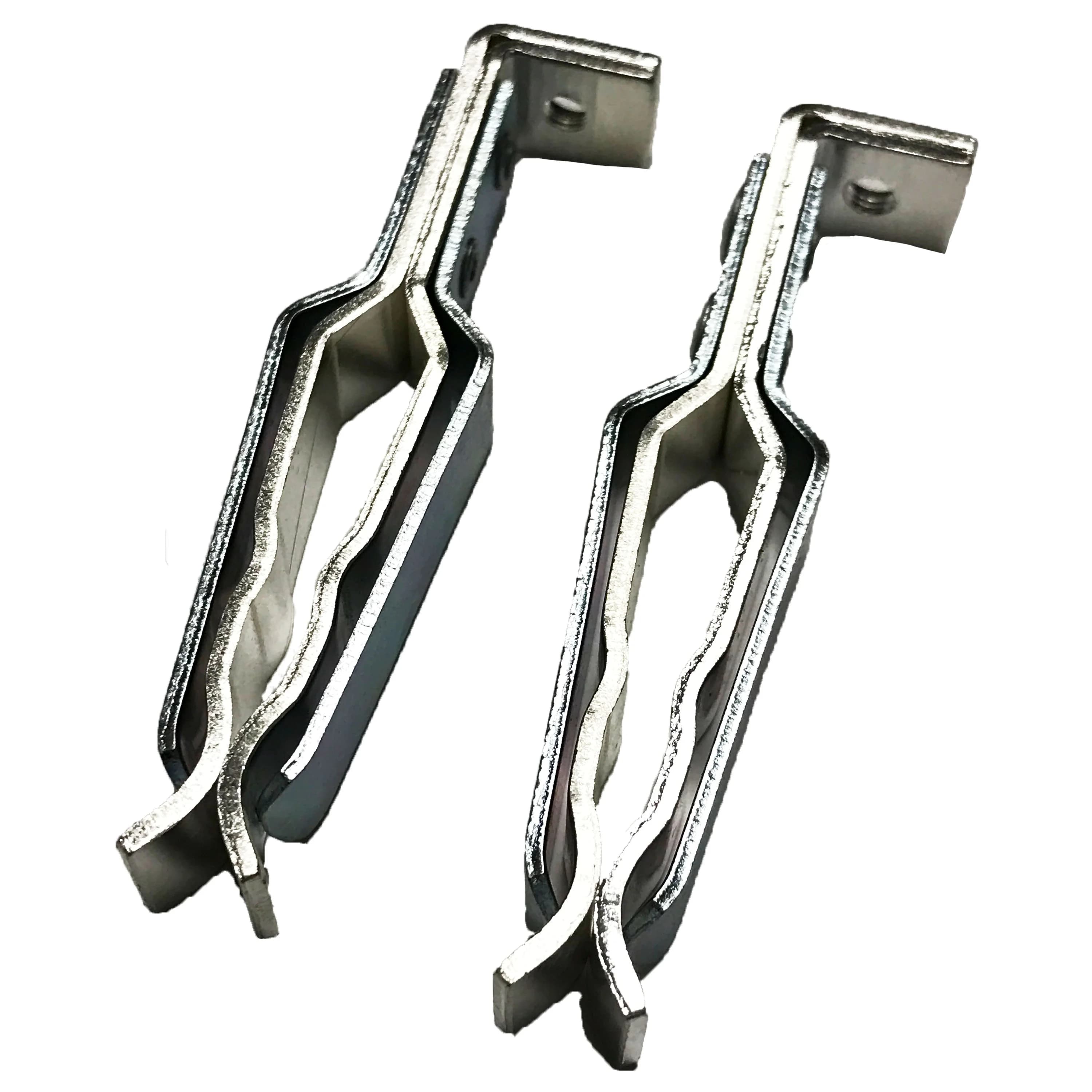
- Compatibility with Fuse Clips and other protective components
- Code-compliant solutions with interrupting ratings for fault current
You can browse various fusible configurations in BRAH Electric’s Bus Plugs section of your preferred aftermarket supplier.
What Is a Fuse Class?
A fuse class is a standardized identifier that determines a fuse’s:
- Interrupting capacity - the maximum fault current it can safely stop
- Speed - how quickly it responds to overcurrent (fast-blow vs. time-delay)
- Voltage rating - 240V, 480V, or 600V systems
- Physical dimensions and shape - which affects whether it fits inside the plug
Common fuse classes in fusible bus plugs include:
- Class R - Time-delay, used in motor loads and general-purpose protection
- Class J - Compact and high-performance for tight enclosures
- Class L - Large, heavy-duty protection for 600A+ equipment
Mismatched fuse class = serious risk:
- The fuse might not physically fit into the clip
- The interrupting capacity may be too low
- You could void UL listings or violate the NEC
How to Match Fuse Class to Bus Plug
Here’s how to ensure correct fuse class pairing:
Step 1: Identify System Requirements
Check the voltage (e.g., 240V or 600V), amperage, and whether the system is grounded or includes a neutral. This is often listed inside the existing plug’s label or cataloged in your switchgear documentation.
Step 2: Find the Right Bus Plug Type
Use product labels, datasheets, or the Fusible Bus Plug part number legend to decode exactly what you’re working with. For example:
BEB3203GNW breaks down as:
- BEB = Plug Type
- 3 = 3-Phase
- 2 = 240V
- 03 = 30A
- G = Ground
- N = Neutral
- W = Weather Strip Option
The guide in BRAH Electric’s Product Datasheets covers multiple OEMs including Cutler Hammer, Eaton, GE, and Siemens.
Step 3: Confirm Fuse Class Compatibility
Before installation, confirm that the fuse clips inside your bus plug match the intended fuse class. Reference parts like:
- Ground Kits
- Neutral Kits
- Conversion Kits (for adapting between legacy and current models)
- Floating Contact Switches for specialized applications
Common Mistakes to Avoid
Swapping Fuse Classes Based on Appearance
Just because two fuses look similar doesn’t mean they’re functionally compatible. Always refer to class labels, and never install a fuse that doesn’t match the listed specification.
Oversizing for Convenience
Installing a higher amp fuse “to prevent nuisance trips” might sound clever - but it disables overcurrent protection and puts your system at major risk.
Ignoring Environmental Conditions
If your application is in a high-moisture or dusty environment, select bus plugs with weather stripping (W) and corrosion-resistant features.
Not Following Return Policies or Support Guidelines
If you’re ordering aftermarket equipment, check the Policies/Terms & Conditions page to understand warranty coverage, returns, and support terms - especially for custom or specialty builds.
Key Takeaways
- Bus plugs are vital components for modular power distribution.
- Fuse class compatibility ensures plugs operate safely under fault conditions.
- Use part numbers, labels, or Product Datasheets to identify exact replacements.
- For complex setups, modular parts like Ground Kits, Conversion Kits, and Neutral Kits offer flexible solutions.
- When in doubt, source from reputable suppliers offering pre-tested, fuse-compatible Fusible Bus Plugs.
FAQs
What fuse class should I use with a 30A, 600V bus plug?
Most industrial systems use Class R fuses for this setup, but always confirm by checking the internal label or OEM documentation.
Can I mix and match fuse classes if the amp rating matches?
No. Matching amp ratings alone is not sufficient. Fuse class affects the interrupting capacity, delay behavior, and physical fit.
Are there universal bus plugs that accept multiple fuse types?
Some bus plugs are dual-rated or come with Conversion Kits to allow flexibility – but never assume compatibility without verification.
What if my bus plug doesn’t list a fuse class?
Refer to part numbers using the Product Datasheets, or consult the supplier’s support team for spec confirmation.
Where can I get aftermarket bus plugs with correct fuse compatibility?
Visit trusted suppliers of Fusible Bus Plugs that explicitly state compatible OEM brands and fuse classes.


