Jump to:
TLDR – Quick Guide
- OEM contactors are made by the original manufacturer and are often associated with brand consistency and certification.
- Aftermarket contactors are produced by third-party manufacturers and engineered for compatibility with OEM systems.
- Aftermarket options from BRAH Electric offer direct-fit replacements with warranties and rapid delivery.
- Choose OEM when strict compliance or brand continuity is required; opt for aftermarket when availability, budget, and performance flexibility matter.
- Always verify specs such as coil voltage, current rating, contact configuration, and mounting style before purchase.
Detailed Breakdown
What Are OEM Contactors?
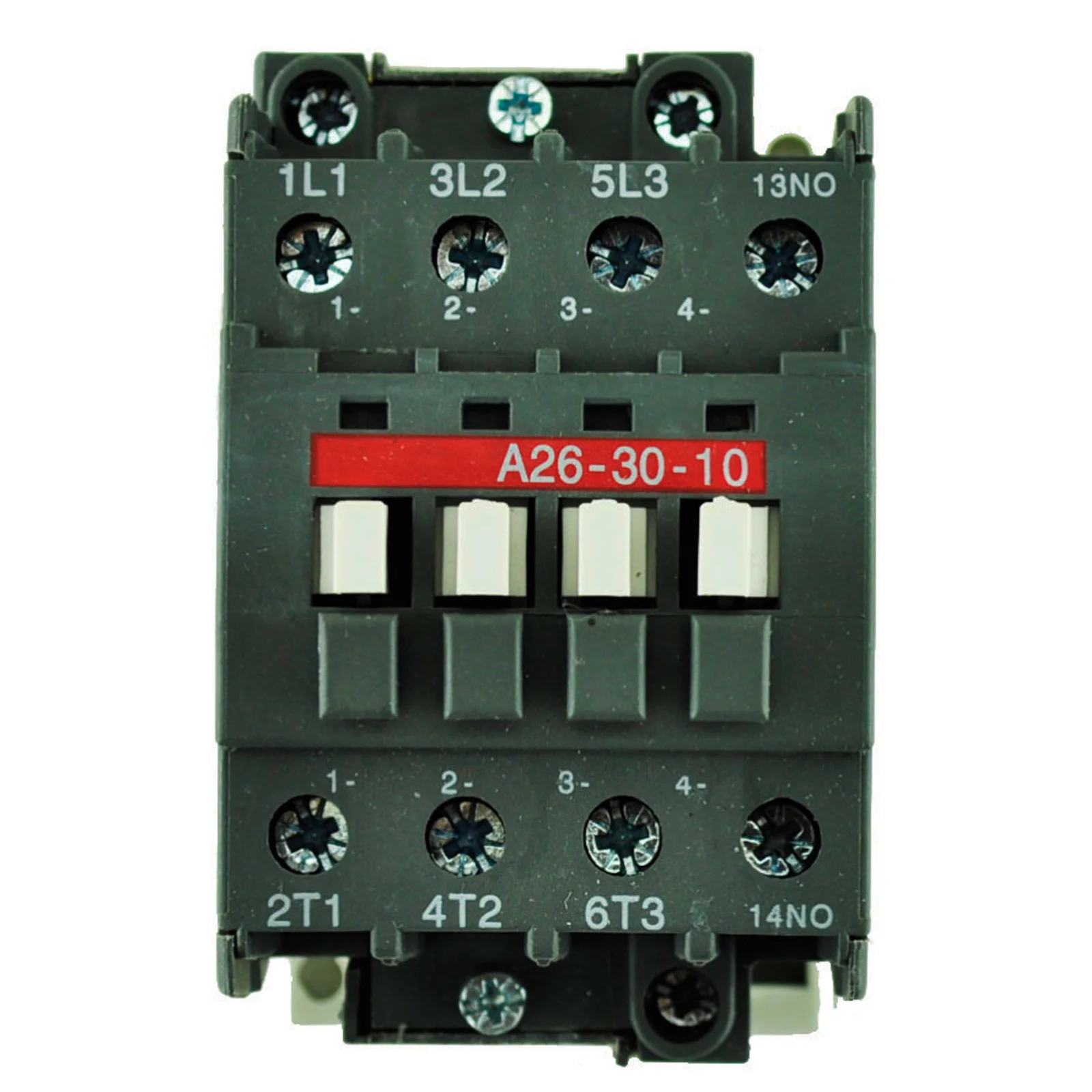
OEM contactors are the exact models supplied by the equipment’s original brand. They are often matched to specific panel layouts and may carry certifications tied directly to system design. However, they can also be:
- Expensive, especially for legacy models
- Backordered or discontinued
- Tied to limited distribution channels
For facilities managing older systems, OEM parts may no longer be an option - making alternatives not only practical but necessary.
What Are Aftermarket Contactors?
Aftermarket contactors are made by third-party manufacturers to fit and function like OEM parts. These are not knock-offs - reputable suppliers like BRAH Electric engineer their products to meet or exceed OEM standards. Key benefits include:
- Lower cost without sacrificing performance
- Faster delivery from more flexible supply chains
- Warranty-backed reliability, like BRAH Electric’s 2-year guarantee on all contactors
- Support for discontinued OEM lines, especially useful in older or custom installations
The company’s motor controls section features a wide range of contactors compatible with legacy systems, including direct-fit replacements for obsolete part numbers.
Factors to Consider When Choosing OEM vs Aftermarket Contactors
1. Availability
OEM parts may be in short supply or entirely phased out. Aftermarket parts are more accessible and ideal for urgent replacements.
2. Compatibility
Verify all technical specs before purchasing. This includes:
- Coil voltage
- Contact configuration (NO/NC)
- Mounting style (DIN rail, panel mount)
- Amp rating and voltage class
Aftermarket replacements like those from BRAH Electric are designed to be plug-and-play in most cases, reducing the need for rewiring or retrofitting.
3. Cost
OEMs typically charge a premium. Aftermarket manufacturers can offer equivalent performance at a fraction of the cost, especially when ordering at volume.
4. Support and Documentation
OEMs may offer limited support, especially on legacy products. BRAH Electric provides catalog access, technical assistance, and compatibility tools for their contactors.
5. Warranty and Quality
A strong aftermarket warranty gives you peace of mind. BRAH Electric’s 2-year warranty reflects a commitment to long-term performance and reliability.
Key Takeaways
- OEM contactors offer brand continuity but may be costly or unavailable, especially for legacy systems.
- Aftermarket contactors from BRAH Electric are designed for compatibility and backed by technical support and warranties.
- Always match electrical and mechanical specs when choosing a replacement - regardless of source.
- Aftermarket options provide greater flexibility, lower cost, and fast delivery - ideal for facilities prioritizing uptime and budget efficiency.
- For many users, the aftermarket route is not a compromise - it’s a smarter, more scalable solution.
FAQs
Are aftermarket contactors safe to use in industrial panels?
Yes, if sourced from a reliable manufacturer. BRAH Electric contactors meet OEM specifications and are tested for safety and performance.
Will using an aftermarket contactor void my system warranty?
In most cases, no - especially if the equipment is no longer under warranty. Always check your original warranty terms, but aftermarket parts are widely used in non-warranty repairs and upgrades.
Do aftermarket contactors require special installation?
No, direct-fit aftermarket contactors are designed to match OEM mounting and wiring layouts. They typically install exactly like the original unit.
How do I verify that an aftermarket part is compatible with my OEM contactor?
Compare coil voltage, current rating, and configuration. If in doubt, BRAH Electric’s technical support can help verify compatibility.
Are aftermarket contactors available for discontinued OEM models?
Yes. One of the main advantages of aftermarket contactors is continued support for legacy and hard-to-find OEM models, which are often discontinued or backordered.


